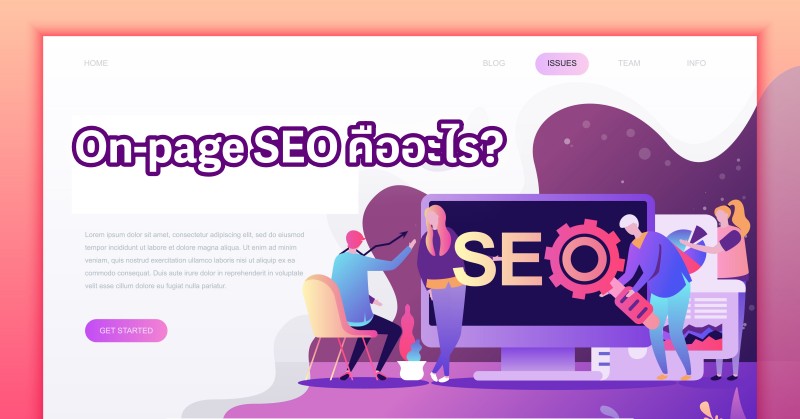
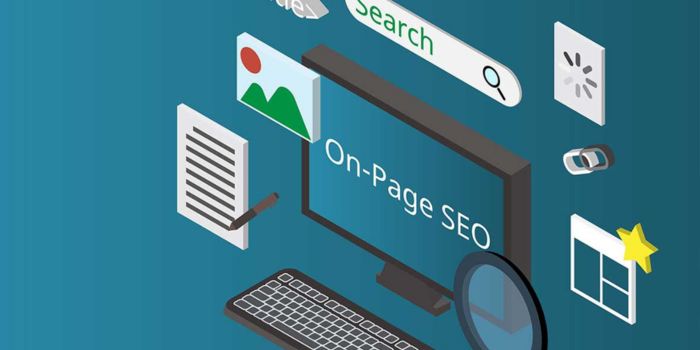
What is On-page SEO? On-page SEO is one of the most important search engine optimization practices. It involves optimizing your website’s content and source code to improve rankings on search engine result pages (SERPs). As one of the core SEO strategies, it covers everything from creating content, keyword placement, and improving page speed to ensuring your site ranks on Google’s first page.
On-page SEO is the practice of optimizing website elements such as page speed, keyword density, content structure, and HTML tags, compared to external factors like backlinks. The goal is to improve visibility and rankings in search engines, helping your website appear on Google’s first page and attract highly targeted traffic.
Why is On-page SEO Important?
Strong On-page SEO results in higher search rankings, more organic traffic, and better conversion rates. Although results take time, once your on-page SEO strategy begins to work, it can generate long-term visibility and sustainable business growth. For companies looking to capture search demand, our digital marketing agency offers white-hat SEO services to secure first-page rankings on Google.
Key Factors of On-page SEO
On-page SEO ranking factors include many elements. Optimizing them consistently can transform your site’s performance and competitiveness. Here are the most important factors:
Clean and descriptive URL structure
Optimized Title tag
Compelling Meta description
Heading tags (H1, H2, H3, H4)
Alt text for images
Relevant keywords
High-quality content
Fast page speed
Strong internal linking
Optimized images
Mobile-friendliness
How Search Engines Process On-page SEO
Search engines evaluate websites using algorithms. When you improve your On-page SEO, search engines follow three main steps to determine your site’s ranking:
Crawling
Search engine bots crawl websites to collect information. By improving On-page SEO, your site becomes easier for bots to understand, ensuring your content is indexed correctly.
Indexing
Once crawled, data is stored in a search engine’s index. Optimized pages with proper structure, metadata, and keywords are more likely to be indexed accurately, improving visibility.
Ranking
Search engines use algorithms to rank pages based on quality signals, including keyword relevance, URL structure, and page experience. Proper On-page SEO ensures your site appears higher in search results.
Higher Google rankings and increased organic visibility
Quality traffic from users actively searching for your products or services
Improved user experience with faster, more accessible web pages
Better click-through rates with optimized title tags and meta descriptions
Improved accessibility with correct HTML and image alt text
Stronger site structure through relevant keywords and internal linking
On-page SEO Optimization Techniques
Effective On-page SEO involves optimizing multiple elements of your website. Below are the essential techniques:
URL Structure – Use short, descriptive URLs with target keywords.
Title Tags – Include primary keywords naturally.
Meta Descriptions – Write compelling summaries with relevant keywords.
Heading Tags – Organize content and add keywords.
Alt Text – Describe images accurately for accessibility and SEO.
Content – Provide authoritative, keyword-rich, and easy-to-read content.
Page Speed – Optimize loading times with compressed images and clean code.
Internal Linking – Guide users and search engines with contextual links.
Mobile-friendliness – Ensure responsive design for smartphones and tablets.
How to Evaluate Your On-page SEO
Are you using target keywords effectively across pages?
Do you have enough internal linking to guide users?
Does your website load quickly across all devices?
Are you publishing fresh and updated content regularly?
On-page SEO vs Off-page SEO
On-page SEO: Optimizing elements on your website, such as content, navigation, and keywords, to improve search rankings.
Off-page SEO: External efforts like building backlinks from authoritative websites to boost credibility and rankings.
Conclusion
On-page SEO is essential for creating the best possible user experience while helping search engines understand your website. By applying On-page SEO best practices, your site can secure first-page rankings on Google and attract high-quality traffic. If you’re unsure where to start, our SEO agency offers complete services to optimize your website and help you compete effectively online.






 Krittitee Tongdang